
 When you place a loved one in a nursing home, you hope that he or she will be treated like family by the workers, with love and respect. Unfortunately, this is not always the outcome. In many situations, elderly residents fall victim to mistreatment in care facilities.
Thus, putting your trust in medical professionals and the nursing home staff can be quite difficult. We believe that everyone will be compassionate with our loved ones and treat them as their own. Sometimes, though, staff may take advantage of elderly patients and physically or mentally mistreat them. Physical and mental abuse may bring severe consequences or even fatal injuries.
If a loved one or yourself has suffered emotional or physical abuse at the hands of nursing home staff, you may have grounds to receive compensation. However, it is important to seek professional help from an attorney as soon as possible.
At Hill & Moin LLP, our legal team has over 40 years of experience in handling elder abuse cases and lawsuits. We have the resources and knowledge it takes to get you the fair compensation you deserve. When you have Hill & Moin lawyers representing your case, it is like “having a lawyer in your family.” You will be treated with professionalism and respect. Contact the New York Hill & Moin nursing home abuse lawyers today at (212) 668-6000.
Types of Injuries and Abuse in the Nursing Home
There comes a time in our lives when it may be unavoidable to place our loved ones in a nursing home. This may be when a loved one needs round-the-clock care which we cannot provide.
Sadly, there are many reports of elderly residents being subjected to physical and emotional abuse in nursing homes. Contacting a nursing home abuse attorney can enable you to seek the compensation and justice you deserve for your family member.
Below are a few injuries and types of abuse residents in the nursing home may face.
Bedsores
When an elderly resident is bedridden and spends the better part of each day lying in a chair or bed, bedsores can develop and be found on the back, feet, and hips. If bedsores are left untreated, they become infected, resulting in hospitalization and even death in more severe cases.
Falls
In a nursing home, many injuries primarily result from falling. It is the nursing home staff’s responsibility to help prevent falls. Staff should be monitoring residents carefully and helping with walking and daily activities. When the elderly are left alone without help from an aide or nurse, they may try and move around on their own and fall.
Emotional abuse
Just as it is hard for families to place a relative in a nursing home, it is especially hard on the elderly. It may be hard for them to adapt to their new surroundings, and depression may kick in. Verbal abuse can be debilitating for residents of the nursing home. Some signs of emotional abuse include loss of interest in activities, personality changes, withdrawal, and worsened depression.
Malnutrition
Suffering from malnutrition can cause the elderly to become weak and easily fall. If a loved one has fallen, you may need to investigate that malnutrition, medications, or neglect did not cause the fall.
Medication errors
Medication errors tend to occur due to the negligence of the staff. Medication errors can take place when the wrong medication or an incorrect dosage is given. Such errors may pose a risk that could be fatal.
Sexual abuse
Sexual abuse can occur anywhere, including nursing homes. Residents who have dementia are more vulnerable to sexual abuse because they are unable to communicate with staff and family members. Signs of nursing home sexual abuse may include sexually transmitted infections, genital bleeding, unexplained cuts or bruises, and fear of staff or other residents.
Unexplained death
Abused nursing home residents have a higher risk of death than those who have been treated well. If a loved one has died suddenly, or if you believe foul play was involved in a wrongful death, contact the nursing home abuse lawyers at Hill & Moin. When we take on your case, you will receive the compassion you deserve.
If you suspect any form of elderly abuse in a nursing facility, contact an attorney for nursing home abuse at the Hill & Moin law firm today. Our nursing home abuse attorneys can help you file and get the legal process going. Contact our office at (212) 668-6000.
Know the Warning Signs of Nursing Home Abuse
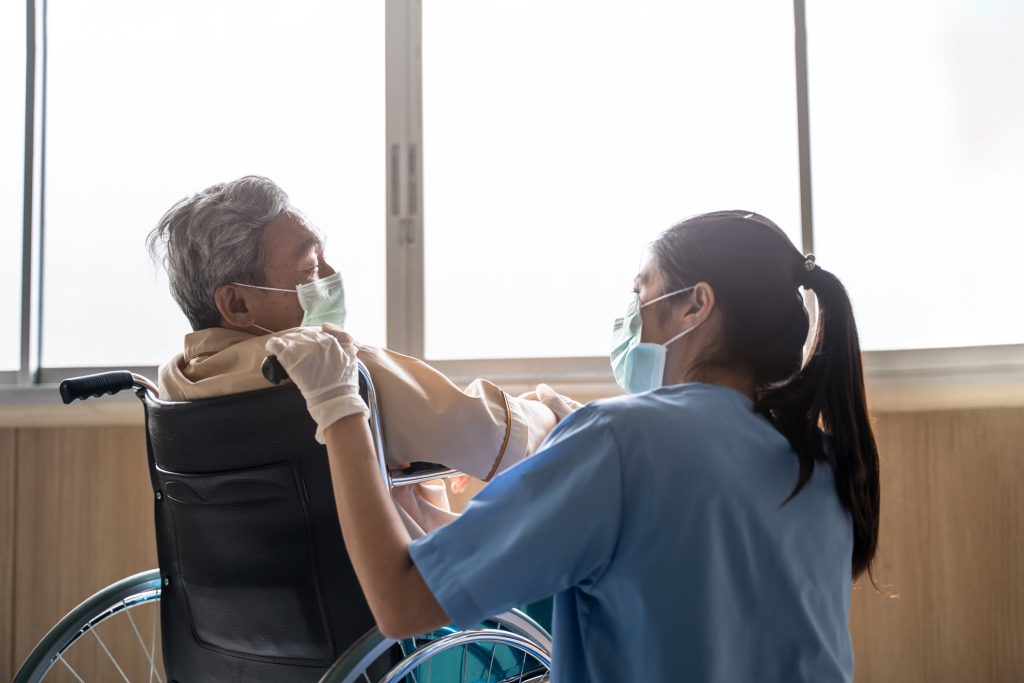
If you are aware of the signs of nursing home abuse, you can help fight against and prevent mistreatment. Elderly residents have a higher risk of being mentally or physically abused because it is harder for them to speak up.
Below is a list of warning signs that you may notice if a loved one is being harmed. If you see these signs, speak up! You could save a life by reporting the following:
- Dehydration or malnourishment
- Incorrect medications
- Lack of hygiene
- Soiled bedding
- Withdrawal
- Fear
- Agitation
- Constant crying
- Complaining of neglect
If you suspect a loved one has been mistreated, reach out to a New York Hill & Moin nursing home abuse lawyer for a free case evaluation. When we take on your case, you will receive professionalism and the highest respect when you work with us. We understand what a difficult time this is in your life, and we fight hard to ensure you receive fair compensation.
Causes of Nursing Home Abuse in New York
There is never an excuse for nursing home abuse, but not every nursing home provides the same level of care. Some nursing homes do not have all the resources and staff needed to properly run the facility and provide quality care to the residents. This can contribute to mistreatment.
Hill & Moin understands that nursing home staff works long, tiring hours. Many nurses are blessings in disguise, while others suffer from understaffing, poor management. In this case, intentional abuse may occur.
Below are some reasons why abuse may occur in nursing homes:
- Overwork
- Burnout
- Lack of training
- Poor management or supervision
- Nurse shortage or understaffing
Reporting Nursing Home Neglect and Abuse
Abuse in nursing homes is not reported often enough. If you suspect elder abuse, among your top priorities is contacting a lawyer and removing your family member from the facility under your lawyer’s advisement. Next, your lawyer can help you file a report of the suspected abuse with your local, state, and national authorities.
In each state, there is an Adult Protective Services (APS) agency. APS agencies work with the government to help keep the elderly safe. Also, ombudsmen are volunteers who are available and listen to the concerns of residents in the nursing home to help form solutions.
Your lawyer will be able to help you notify the right entities to report the suspected abuse.
Once the mistreatment is reported and you wish to seek compensation or justice, your lawyer can also help you file a lawsuit against the facility. To get the lawsuit process going, contact the New York Hill & Moin nursing home abuse lawyers today at (212) 668-6000.
Aspects of Nursing Home Neglect Claims
A common claim against nursing homes is the claim of negligence. This is where the nursing home facility has failed to provide the proper standard of care.
In your loved one’s case, the negligence may involve:
- Failure to supervise employees
- Failure to hire enough employees
- Failure to keep the nursing home up to code
- Failure to properly train employees
- Failure to follow requirements set by law
In addition to holding the care facility liable for neglect, a criminal lawsuit may also be filed against the individual who caused harm to your loved one.
Frequently Asked Questions – New York Nursing Home Abuse Lawyers
What is considered nursing home abuse in New York?
Nursing home abuse includes physical abuse, emotional abuse, sexual abuse, financial exploitation, neglect, abandonment, and the improper use of restraints or medications. Abuse may be committed by staff members, caregivers, other residents, or third parties.
What are the signs of nursing home abuse or neglect?
Common warning signs include unexplained bruises or fractures, bedsores, dehydration, malnutrition, poor hygiene, sudden weight loss, frequent infections, withdrawal, fear of certain staff members, missing personal belongings, or unexpected financial transactions.
Can I sue a nursing home for abuse or neglect?
Yes. If a nursing home’s negligence or misconduct caused harm to a resident, the resident or their family may have grounds to pursue a personal injury or wrongful death claim. Depending on the circumstances, claims may also be brought against individual caregivers, management companies, or other responsible parties.
What should I do if I suspect my loved one is being abused in a nursing home?
If you believe your loved one is in immediate danger, contact emergency services right away. Document any signs of abuse, seek medical attention if necessary, report your concerns to the nursing home’s administration and the appropriate state authorities, and consult an experienced nursing home abuse attorney as soon as possible.
What compensation may be available in a nursing home abuse case?
Depending on the circumstances, compensation may include medical expenses, rehabilitation costs, pain and suffering, emotional distress, relocation expenses, and, in fatal cases, wrongful death damages available under New York law.
Who can be held responsible for nursing home abuse?
Liability may extend to the nursing home, its owners, management company, administrators, employees, contractors, healthcare providers, or other individuals whose negligence or intentional misconduct contributed to the resident’s injuries.
How long do I have to file a nursing home abuse lawsuit in New York?
The filing deadline depends on the type of claim. Cases involving medical malpractice, wrongful death, or government-operated facilities may be subject to different deadlines and notice requirements. Speaking with an attorney promptly can help protect your legal rights.
How much does it cost to hire Hill & Moin LLP?
Hill & Moin LLP handles nursing home abuse cases on a contingency fee basis. You pay no attorney’s fees unless we recover compensation on your behalf.
Hill & Moin New York Lawyers for Nursing Home Abuse
Hill & Moin LLP has been fighting nursing home abuse and neglect claims for more than 40 years. Our legal team has the resources and experience needed to fight for you and your family’s fair compensation. Our New York lawyers know the warning signs of mistreatment and are capable of helping you seek the justic your family deserves.
If you hire the Hill & Moin attorneys for nursing home abuse, we will work tirelessly on your behalf until you have received justice so you can help your family member. According to our clients, hiring Hill & Moin lawyers is “like having a lawyer in your family.”
Let us handle the legal process so you can focus on your family. Learn your Personal Injury Recovery SolutionsⓇ by contacting a personal injury lawyer at our NYC law firm at (212) 668-6000. Don’t wonder about your rights!